
In today’s fast-paced healthcare environment, ensuring that your IT infrastructure is robust, secure, and up-to-date is crucial. Managed IT services have become a popular solution for healthcare providers looking to improve their technological capabilities. But what exactly are managed IT services, and why are they so important for the healthcare industry?
Understanding Managed IT Services in Healthcare
Managed IT services involve outsourcing the responsibility of maintaining and anticipating the need for a range of processes and functions to improve operations and cut expenses. In healthcare, this means that a third-party provider takes care of your IT systems, so you can focus on what you do best – caring for patients.
What Do Managed IT Services Include?
Managed IT services can cover a broad range of technological support and solutions, including:
- Network Management: Ensuring your network is secure, efficient, and reliable
- Data Storage and Management: Safekeeping patient records and other critical data
- Cybersecurity: Protecting sensitive information from breaches and cyber threats
- Help Desk Support: Providing assistance to your staff for IT-related issues
- Compliance Management: Ensuring your systems meet healthcare regulations like HIPAA
These services are tailored to meet the specific needs of healthcare providers, offering them peace of mind and allowing them to concentrate on patient care.
The Importance of Healthcare IT Support
 Healthcare IT support is vital for several reasons. First, it ensures that patient data is secure and readily available when needed. Second, it helps healthcare providers comply with stringent regulations like the Health Insurance Portability and Accountability Act (HIPAA).
Finally, effective IT support can lead to improved patient outcomes by facilitating better communication and more efficient processes.
Enhancing Security with Managed IT Services
One of the primary benefits of managed IT services is enhanced security. Healthcare organizations are prime targets for cyberattacks due to the sensitive nature of the data they handle. Managed IT service providers offer robust cybersecurity measures, including:
- 24/7 Monitoring: Constant oversight to detect and respond to threats promptly.
- Data Encryption: Securing data both in transit and at rest.
- Regular Security Audits: Identifying vulnerabilities and addressing them proactively.
By outsourcing your IT security, you can significantly reduce the risk of data breaches and other cyber threats.
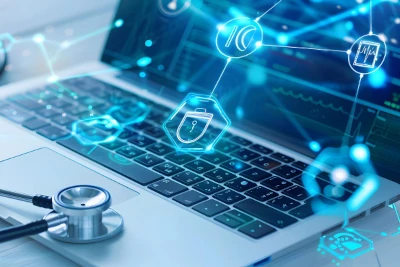 Managed IT services are an essential component of modern healthcare operations. They provide the support and expertise needed to ensure that your IT systems are secure, compliant, and efficient.
By outsourcing your IT management, you can focus on what matters most – providing exceptional care to your patients. Whether you’re looking to enhance security, improve efficiency, or reduce costs, managed IT services offer a comprehensive solution tailored to the unique needs of the healthcare industry.
Incorporating managed IT services into your healthcare facility can be a game-changer, enabling you to navigate the complexities of modern healthcare with confidence and ease. Take the time to assess your needs, choose the right provider, and develop a strategic plan to harness the full potential of managed IT services.